Kungsleden: walking the King's Trail through Lapland
Stretching across the quiet expanses of northern Sweden, Kungsleden offers hikers a gentle immersion in Arctic valleys, open fells, and traditional mountain hospitality.
Illustrative image.
Across the northern wilderness
Kungsleden, or the King's Trail, represents one of the most storied and celebrated long-distance footpaths in the world. Stretching roughly 440 kilometers between the northern village of Abisko and Hemavan in southern Lapland, the trail winds through expansive river valleys, high alpine passes, and quiet birch woodlands. For hikers who step onto its path, the route offers a steady encounter with untouched nature, clear air, and expansive Arctic skies.
The concept behind the trail originated more than a century ago, born from a desire to open Sweden's vast northern landscapes to travelers of all backgrounds. Today, it remains an inviting passage into wild terrain, drawing both novice outdoor lovers and seasoned backpackers who seek solitude. Beginning in Abisko, the dramatic landscape unfolds under the continuous daylight of early summer, setting an unhurried tone that accompanies walkers along every single kilometer.
As the path moves south, the terrain shifts gently between wide mountain troughs and elevated stone fields. The route introduces travelers to an unhurried rhythm of life dictated solely by footsteps, weather, and the changing light. It is an environment where modern noise falls away, replaced by the sound of wind over moorland and rushing mountain streams.
Following the markers
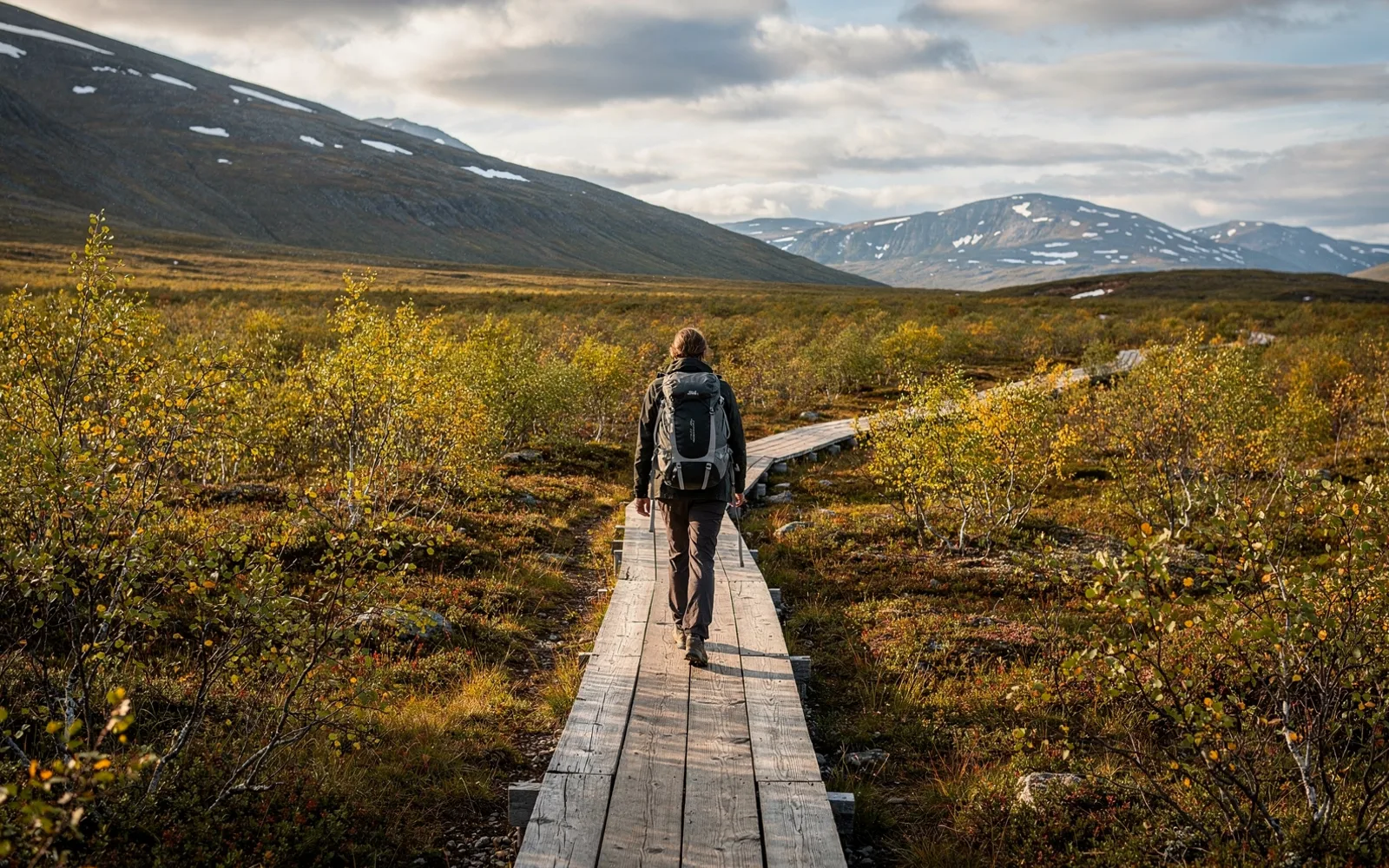
Navigating the King's Trail is remarkably clear and reassuring, thanks to careful trail management and time-honored wayfinding methods. Hikers follow distinctive red paint markings and stone cairns that stand out clearly across the open tundra and rocky mountain plateaus. In boggy lowlands and fragile wetlands, extensive networks of wooden boardwalks protect the delicate subarctic vegetation while ensuring hikers maintain reliable footing through damp ground.
Water plays a central role along the entire journey, shaping both the scenery and the logistics of travel. Several sections require crossing wide glacial lakes, where seasonal boat services ferry hikers safely across the cold waters. In locations where scheduled crossings are not operating, the trail provides traditional rowing boats, allowing walkers to pull themselves across calm bays in an enduring spirit of outdoor cooperation.
These water crossings punctuate the hiking days with brief moments of quiet reflection on the water. Looking back at the mountains from the center of a lake offers an entirely new perspective on the scale of Lapland. Each successful crossing feels like a gentle milestone, leading walkers smoothly back to the continuation of the well-marked footpath.
Beneath the high peaks
The northern portion of the trail passes near Kebnekaise, the highest mountain in Sweden, which rises grandly above the neighboring valleys. Towering over the surrounding landscape, this rugged peak provides a dramatic vertical contrast to the gentle, undulating slopes of the main footpath. Many travelers choose to pause their trek for an extra day, exploring side valleys or admiring the glacial ice fields that cling to the mountain flanks.
Timing is essential when planning a journey along the King's Trail, with the prime hiking season spanning from late June through September. During midsummer, the midnight sun bathes the landscape in round-the-clock daylight, coaxing alpine wildflowers into bloom across green slopes. As summer yields to late August and September, the Arctic fells transform into vibrant tapestries of copper, gold, and crimson foliage under crisp skies.
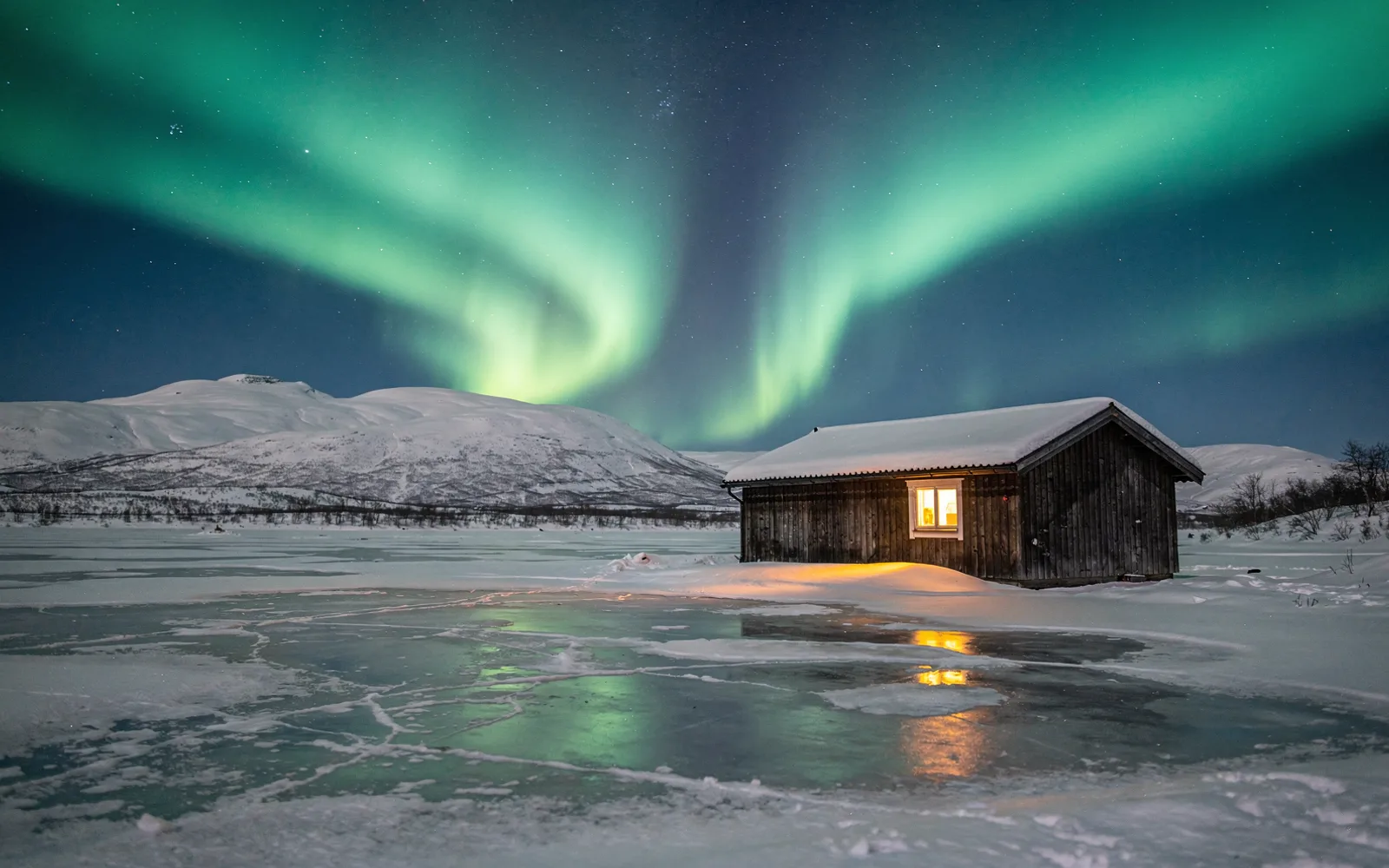
The shifting seasons bring subtle changes in atmosphere that make every visit distinct. Late season hikers often enjoy cooler walking temperatures, fewer insects, and the return of starry nights. On clear autumn evenings, the dark northern skies occasionally come alive with glowing green ribbons of the northern lights, offering an unforgettable conclusion to a day on the trail.
Warm welcomes on the fells
A defining element of Kungsleden is the network of welcoming mountain huts maintained by the Swedish Tourist Association, widely known as the STF. Spaced roughly a day's walk apart along the most frequented sections, these rustic shelters offer warmth, safety, and basic provisions in remote terrain. Walkers can prepare meals on shared gas stoves, dry damp gear beside wood stoves, and exchange route tips with companions from all around the world.
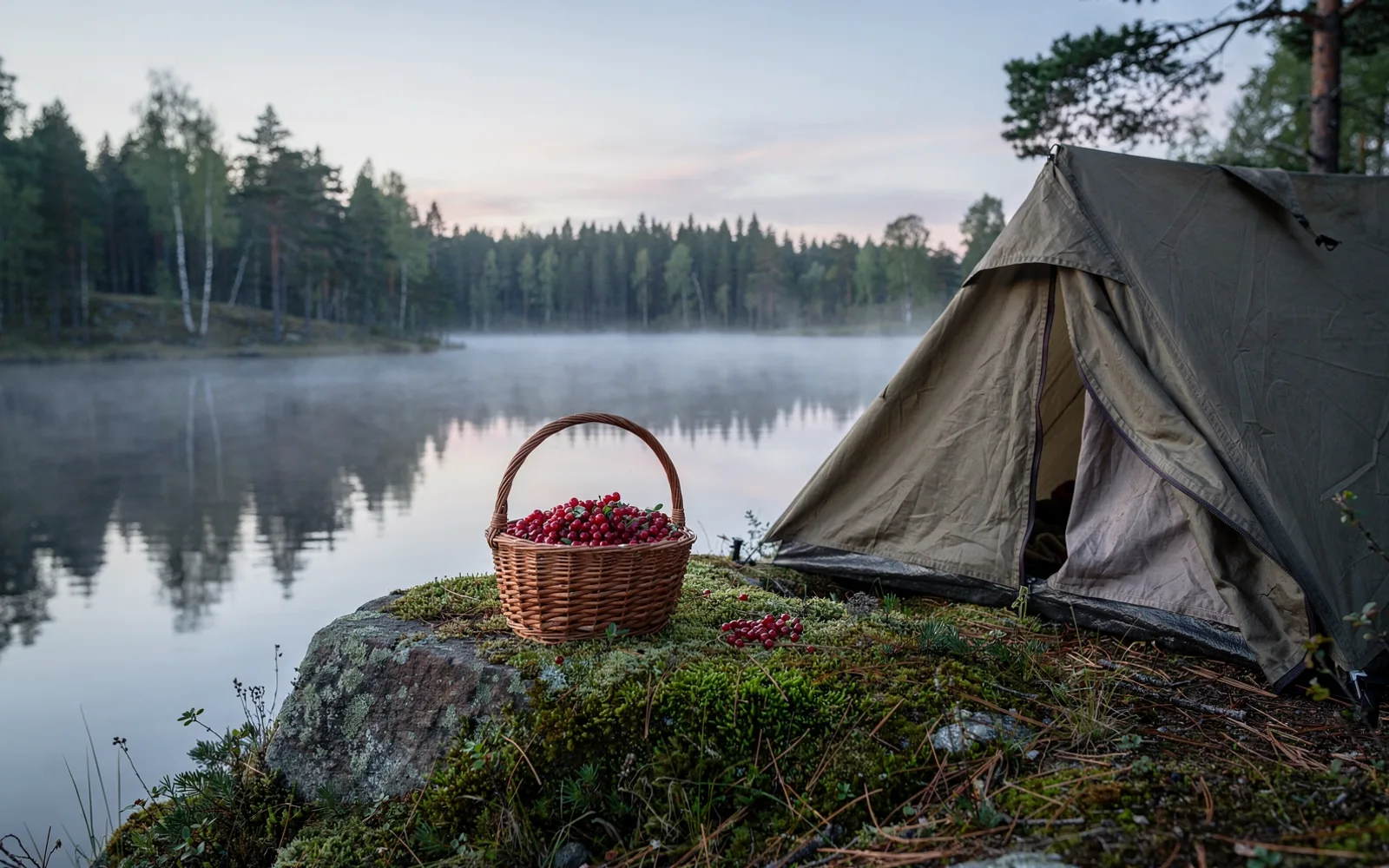
This thoughtful balance between wild isolation and comfortable shelter fosters a rare sense of community on the trail. Hikers can sleep indoors in simple bunkrooms or pitch their tents on the surrounding grass while still enjoying the communal spirit of the hut grounds. Shared chores, like fetching water from fresh streams or sweeping up common areas, bind travelers together in an atmosphere of mutual care.
Whether taking on a brief multi-day segment or traversing the entire 440 kilometers from Abisko to Hemavan, travelers leave with a renewed appreciation for simplicity. The trail demonstrates how thoughtful infrastructure can protect fragile subarctic nature while welcoming anyone eager to walk. Kungsleden remains a shining example of accessible wilderness, offering quiet wonder across Sweden's far northern landscapes.
Something not right? Write to desk@veltrixnews.com. Corrections are added openly at the end of the story. Read our editorial standards.