Allemansrätten: the Swedish right to roam, explained
Sweden's constitutional right of public access invites everyone to explore the countryside freely, balancing broad outdoor freedom with a shared duty of gentle care.
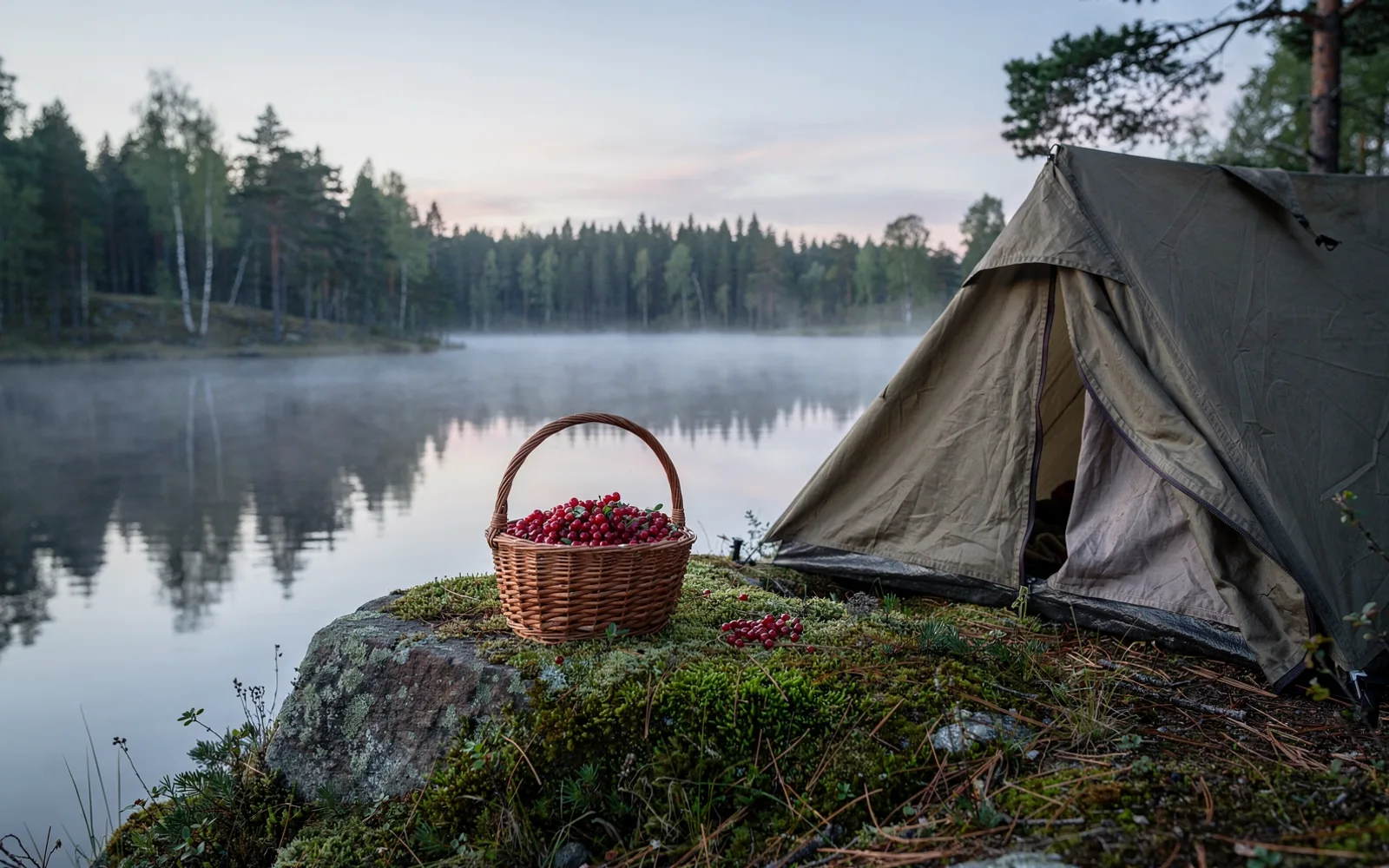
Illustrative image.
A quiet constitutional promise
In Sweden, nature feels remarkably open and welcoming to anyone who steps outside. This shared landscape is shaped by allemansrätten, the ancient right of public access that allows people to wander through forests, across meadows, and along shorelines. The principle is so deeply rooted in the culture that it is officially written into the Swedish constitution, ensuring that the outdoors remains accessible for generations to come.
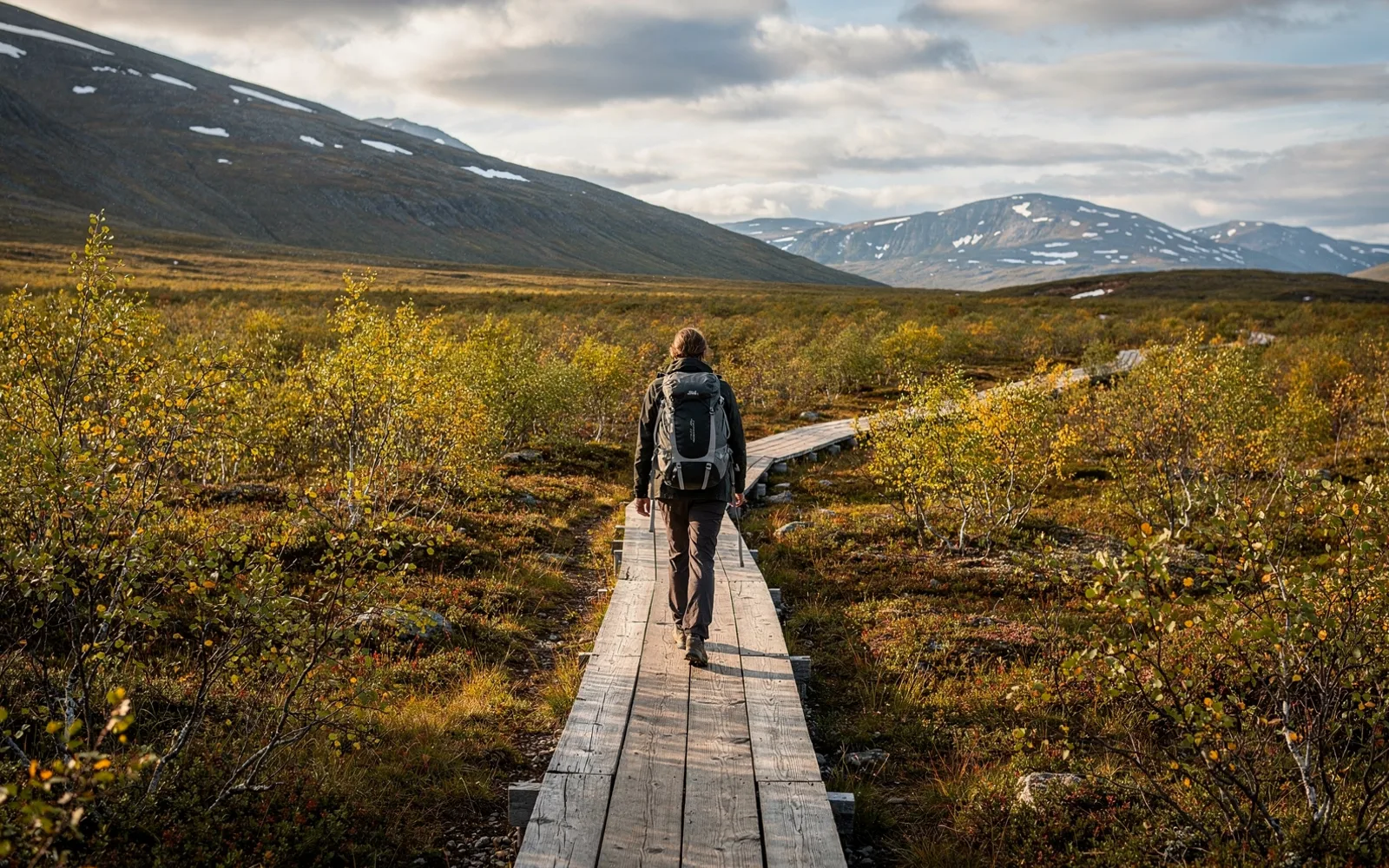
Unlike many places where private fences and warning signs dictate who may walk across the land, the Swedish countryside operates on an assumption of hospitality. Anyone may stroll, run, cycle, or ski through natural terrain, regardless of who owns the soil underneath their boots. This legal framework reflects a steady cultural trust, inviting locals and visitors alike into forests, lakes, and rolling hills with open arms.
The simple rules of courtesy
While the freedom to explore is extraordinarily broad, it is not an absolute pass without limits. The entire tradition rests on one central guiding motto: do not disturb, do not destroy. This straightforward reminder asks outdoor enthusiasts to take care of nature and wildlife wherever their journeys lead.
Respecting landowners is an essential part of this balance. Travelers must stay a suitable distance from private residential homes, private gardens, and farm fields that are actively growing crops. By maintaining this natural buffer, outdoor adventurers can enjoy their journey without interrupting the daily routines or privacy of rural homeowners.
The responsibility also extends to the flora and fauna that call the Swedish wilderness home. Walkers are expected to leave nesting birds in peace, avoid breaking living tree branches, and carry every trace of trash back out with them. When everyone honors these modest expectations, the landscape stays healthy, clean, and ready to welcome the next quiet traveler.
Foraging across meadows and moss
One of the sweetest pleasures made possible by allemansrätten is the freedom to gather wild edible treats across the forest floor. Anyone can pick wild berries, gather edible mushrooms, and collect fallen twigs for small cooking fires. The custom transforms a routine afternoon stroll into a delightful, rewarding treasure hunt under the pine canopy.
In late summer and autumn, Swedish forests come alive with eager foragers carrying baskets and small buckets. Tart red lingonberries carpet sunny forest clearings, while prized golden chanterelles emerge from damp patches of green moss. These seasonal gifts belong to whoever finds them, making the forest pantry available to every patient wanderer.
The freedom also covers open water, encouraging people to swim along peaceful shorelines and paddle canoes down clean rivers. Boaters can temporarily tie up to rocks along uninhabited shores, as long as they stay clear of private docks and residences. This easy relationship with lakes and coasts keeps outdoor recreation simple, spontaneous, and universally shared.
Nights under open skies
For those who wish to extend their stay in the wild, the right of public access permits pitching a tent for a night or two. Small groups can set up camp on uncultivated land, provided they remain well outside the view and boundary of nearby homes. Falling asleep to the rustle of birch leaves and waking up beside a misty lake is a classic Swedish ritual.
The practice has fostered an enduring outdoor culture where people feel closely connected to the rhythm of the seasons. Families introduce children to the woods early in life, teaching them how to read trails, spot animal tracks, and tread lightly on mossy stones. Because access is open to everyone, the wilderness becomes a shared living room rather than a luxury reserved for a few.
Ultimately, allemansrätten endures because it relies on collective goodwill rather than heavy enforcement. It shows that broad public liberties and environmental protection can thrive side by side when guided by mutual respect. In a busy modern world, this quiet gift of open ground remains a timeless treasure for anyone seeking fresh air and calm paths.
Something not right? Write to desk@veltrixnews.com. Corrections are added openly at the end of the story. Read our editorial standards.