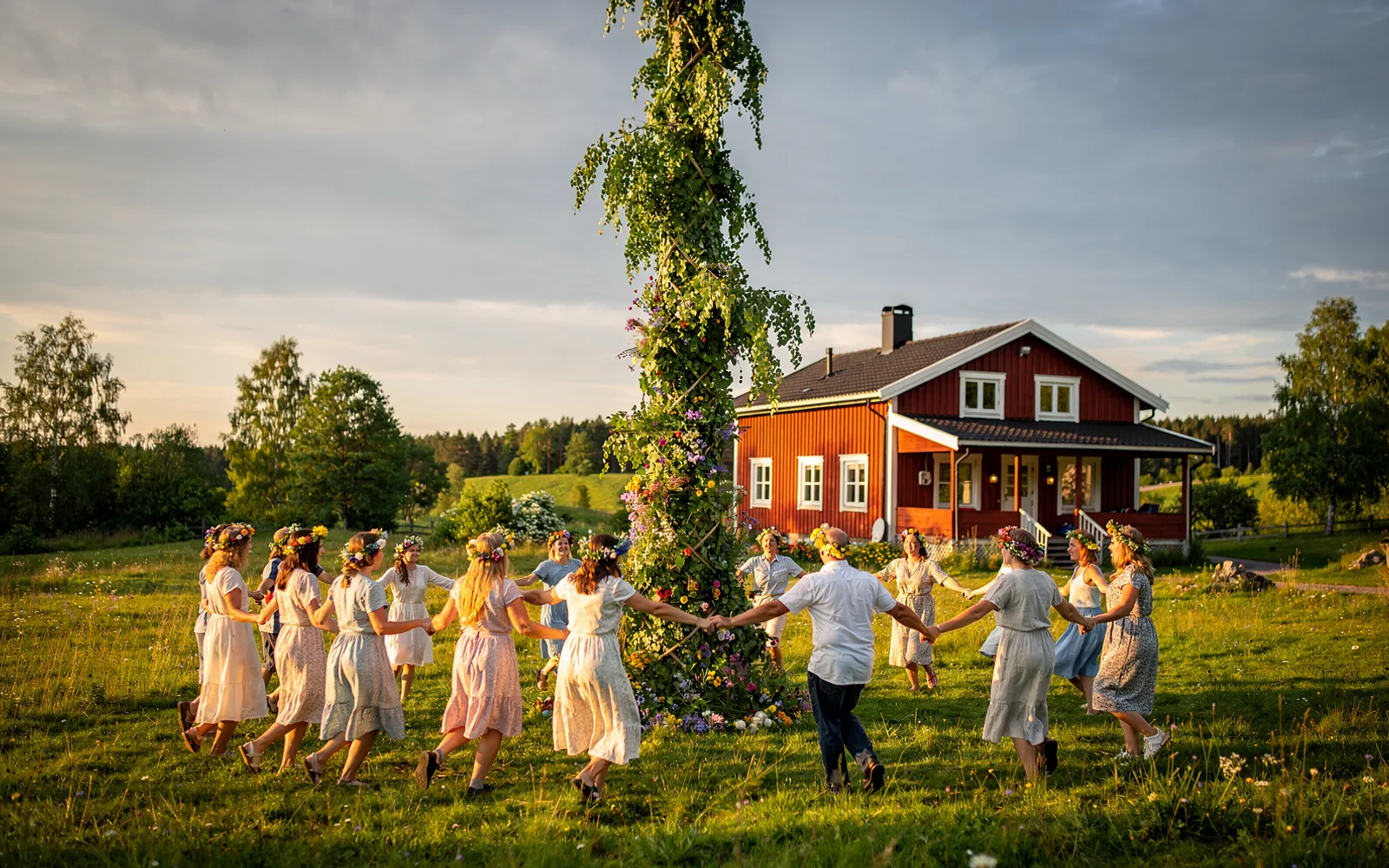
Fika, the coffee break Swedes take seriously
More than just a quick beverage, Sweden's cherished daily custom of fika brings colleagues and families together to slow down, connect, and enjoy something sweet.
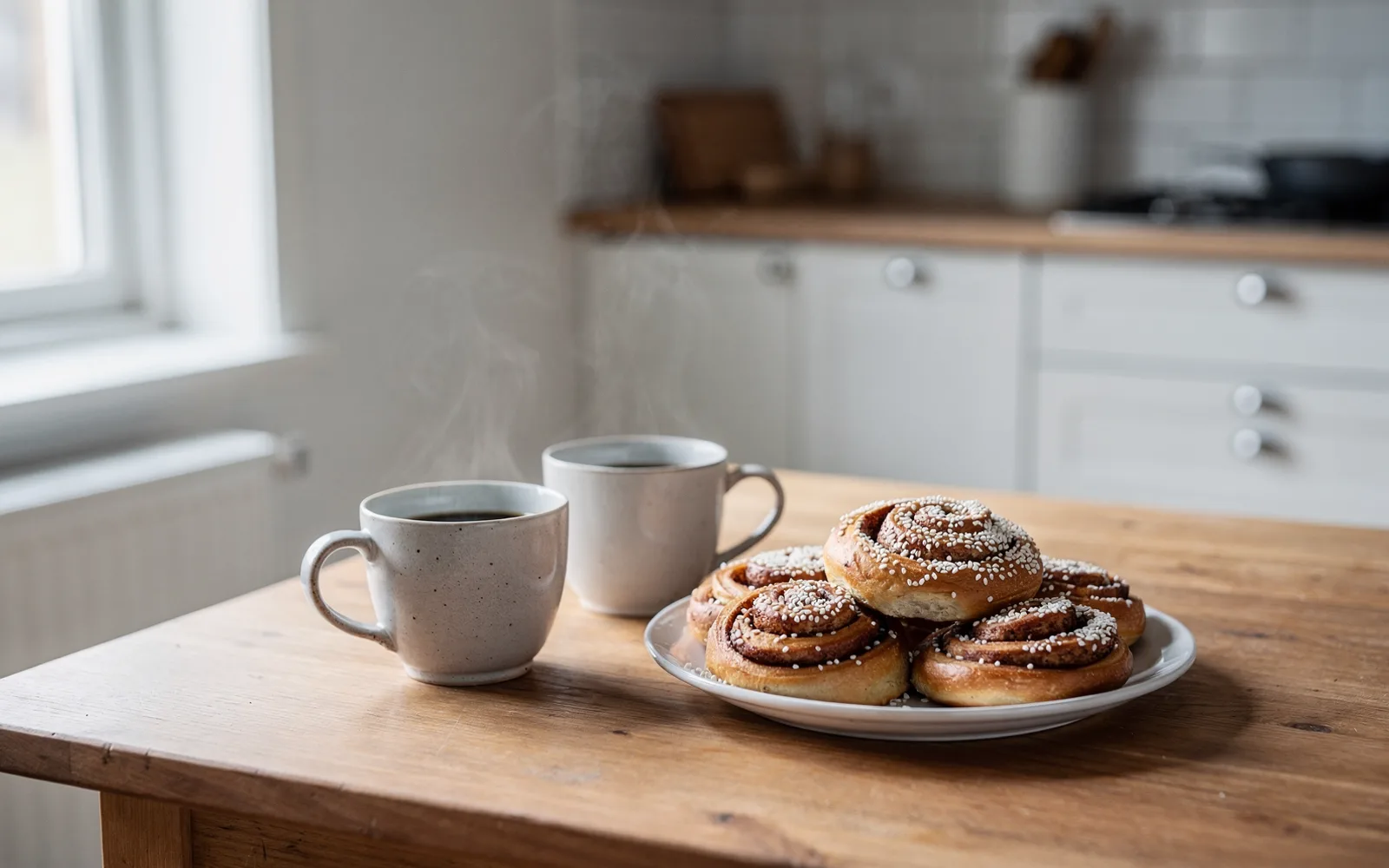
Illustrative image.
A deliberate pause in the day
In Sweden, pausing for coffee is never treated as a hasty afterthought squeezed between errands or appointments. It is an intentional tradition known as fika, a time-honored custom that pairs a warm beverage with a sweet pastry and good company. Swedes use the word as both a noun and a verb, demonstrating how thoroughly the practice is woven into the language and everyday routine. One can enjoy a relaxing fika at home, or invite a neighbor to fika on a quiet afternoon.
The setting for this ritual can be a sunlit kitchen, a park bench on a mild morning, or a neighborhood cafe filled with regular visitors. Unlike grabbing a disposable cup to drink during a commute, fika centers on the simple act of sitting down and being present. It offers a dedicated moment to set aside responsibilities, breathe easily, and converse without checking the clock.
This cultural habit reflects an appreciation for balance and moderation in daily life. Rather than pushing through long hours without rest, people recognize that small pauses can refresh the mind and uplift the spirit. Whether enjoyed in solitude or with friends, the pause creates a natural rhythm that anchors the entire day.
Building community in the workplace
The tradition holds a particularly vital place in Swedish work life, where regular breaks are considered an essential ingredient for productivity and harmony. Many offices, workshops, and institutions schedule fixed fika times twice each day, typically once in the mid-morning and again in the mid-afternoon. When the designated hour arrives, workers step away from their desks, close their laptops, and gather in a communal break room.
These structured pauses provide a relaxed, egalitarian space where people across all levels of an organization can interact on equal footing. Conversations naturally shift between casual banter, personal weekend stories, and collaborative thoughts about ongoing projects. Because titles and roles are softly set aside around the coffee table, colleagues often find it easier to share ideas openly.
The shared ritual also helps prevent burnout by encouraging employees to step back from screens and rest their minds together. Instead of isolating workers in cubicles or solitary offices, fika creates an enduring sense of camaraderie and mutual trust. It reinforces the idea that human connection is just as valuable to a team as completing a daily task list.
Coffee and the art of pastry
Coffee serves as the indispensable anchor of the gathering, and it is enjoyed with great enthusiasm across the entire country. Sweden consistently ranks among the highest consumers of coffee per person anywhere in the world, with people favoring fresh, robust filter roasts throughout the week. While tea or juice is always a welcome alternative, a steaming mug of hot coffee remains the classic centerpiece for most participants.
Equally celebrated is the accompaniment of something sweet, known affectionately as fikabrod or fika bread. Cinnamon buns, called kanelbullar, are the most iconic option, famous for their decorative swirls, fragrant spices, and bright dusting of crunchy pearl sugar. Cardamom buns, packed with freshly crushed cardamom seeds and topped with sweet glazes, offer another deeply loved variation in bakeries nationwide.
Beyond the classic buns, traditional spreads often include delicate butter cookies, tender sponge cakes, and seasonal fruit tarts. Many home bakers still honor the old custom of offering multiple kinds of cookies when hosting guests for an afternoon visit. Whatever the choice of pastry, the goal is always to treat oneself and one's companions to a moment of simple indulgence.
A celebrated national tradition
The cultural fondness for these baked goods is so widespread that it inspired its own dedicated holiday. Since 1999, Sweden has marked Kanelbullens dag, or Cinnamon Bun Day, every year on October 4. When autumn arrives and temperatures begin to drop, bakeries from small northern villages to bustling southern cities start their ovens early, filling the morning air with the scent of cinnamon, cardamom, and warm dough.
On this special day, millions of buns are enjoyed across homes, schools, and workplaces as a shared autumn celebration. Families often bake their own batches together in the evening, filling kitchens with laughter and the warmth of a hot oven. It serves as an annual showcase for a tradition that already thrives quietly on every ordinary day of the calendar.
Ultimately, fika endures because it speaks to a universal human desire for rest, warmth, and fellowship. Taking time to pause over a warm drink and a sweet pastry reminds people to appreciate the present moment and nurture their relationships. In a fast-moving modern world, this gentle Swedish habit stands as a comforting testament to the power of shared breaks.
Something not right? Write to desk@veltrixnews.com. Corrections are added openly at the end of the story. Read our editorial standards.