Inlandsbanan: 1,300 kilometres of slow train through the north
A historic railway stretching across Sweden offers travelers an unhurried summer journey through vast pine forests, quiet lakes, and the open landscapes above the Arctic Circle.
Illustrative image.
A quiet path through the interior
Running from Kristinehamn in the south to Gällivare in the far north, Inlandsbanan forms a gentle backbone through the Swedish interior. The railway covers roughly 1,300 kilometers, steering clear of major coastal cities in favor of deep woodland, quiet waterways, and expansive northern terrain. For travelers who step aboard, the route represents a conscious choice to slow down and view the country from ground level.
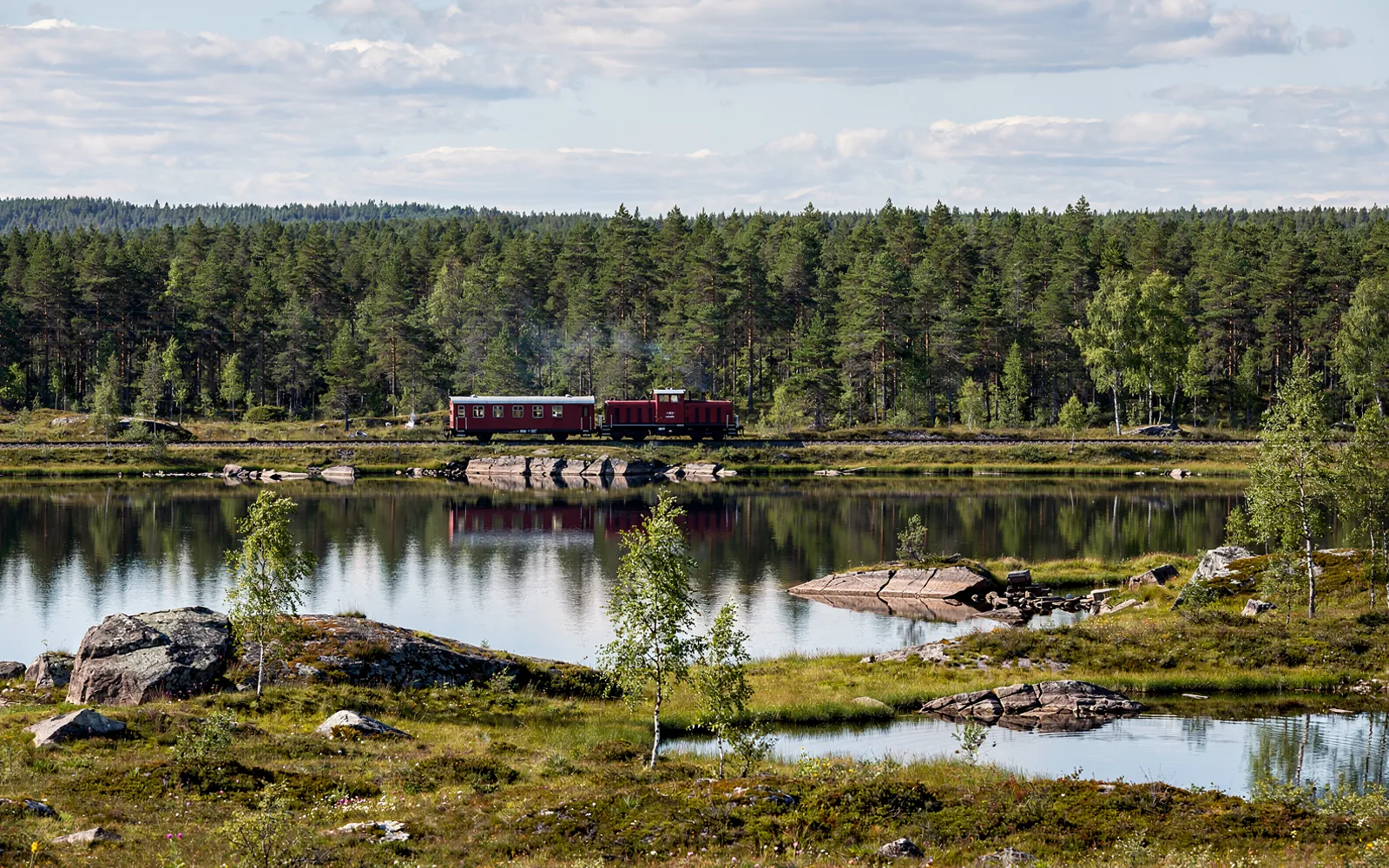
Modern transport often prioritizes speed, but this inland line embraces a different philosophy entirely. The train rolls forward at a steady, modest pace that allows the surrounding scenery to unfold gradually outside large passenger windows. Birch groves give way to endless stands of pine, mirrored across the glassy surfaces of thousands of quiet freshwater lakes.
The journey links smaller communities that grew up alongside the rails, providing a peaceful perspective on rural life. Because the line traverses such an immense stretch of geography, passengers can observe subtle shifts in plant life and light as the train heads northward. It is an enduring classic of Scandinavian rail travel that honors the simple pleasure of watching the landscape roll by.
Built across decades of wilderness
The story of Inlandsbanan begins in the early twentieth century, when planners sought a reliable overland connection through Sweden's central and northern regions. Laying tracks across such challenging terrain required decades of dedicated physical labor through dense forests, peat bogs, and rocky ground. Workers cleared corridors through remote timberlands, building bridges over rushing rivers and creating durable gravel embankments.
Construction progressed in stages across several decades as different sections were connected into one continuous path. When the final spike was driven and the entire line was completed in 1937, it linked southern lakes with northern plateaus in a single unified route. The project created vital ties between isolated settlements, bringing mail, materials, and regular passenger travel to places previously reachable only by water or rough trails.
Today, the infrastructure retains much of its original mid-century character and historic charm. Preserved wooden stations and manual switches remain part of the line's living heritage. Traveling along these rails offers a tangible connection to the early engineers who mapped out a path through Sweden's rugged interior.
A summer rhythm of meals and stops
During the bright summer months, Inlandsbanan welcomes visitors looking for an authentic and relaxed travel experience. Unlike standard commuter lines, these seasonal tourist trains are designed specifically around the passenger's enjoyment of the route. Schedules are intentionally generous, leaving ample time to stretch one's legs and take in the fresh air at quiet rural platforms.
One of the defining features of the summer service is its tradition of pauses for local dining. Instead of dining cars rushing through meals on board, the train often halts at designated stations where regional cooks prepare wholesome food for arriving guests. Travelers step down directly onto the platform to enjoy warm, hearty plates crafted from nearby ingredients before continuing their trip.
These shared meal stops create a friendly, communal atmosphere among passengers from all walks of life. Conversations flow naturally over coffee and regional specialties as travelers trade stories about their adventures along the line. When the conductor signals that it is time to depart, everyone returns to their seats refreshed and ready for the next stretch of track.
Crossing the circle into reindeer country
As the train continues northward toward Lapland, the landscape grows sparser, wilder, and increasingly luminous. One of the memorable milestones of the journey occurs when the train crosses the Arctic Circle, marked by a simple commemorative sign in the wilderness. Here, summer brings nearly continuous daylight, illuminating the rolling hills and expansive wetlands well past midnight.
Wildlife is a constant presence along this remote corridor, and sightings are part of the daily rhythm of the line. Reindeer graze freely in the open woodlands and occasionally wander directly onto the tracks to find dry footing or escape biting insects. When this happens, the train operator gently slows the engine to a crawl, waiting patiently until the animals move back into the safety of the trees.
These quiet pauses underscore the peaceful relationship between the railway and the surrounding environment. By the time the train pulls into Gällivare, passengers have witnessed the full breadth of northern geography. The long journey along Inlandsbanan leaves travelers with a lasting appreciation for the beauty of patience and the vast, quiet heart of Sweden.
Something not right? Write to desk@veltrixnews.com. Corrections are added openly at the end of the story. Read our editorial standards.