Car-free islands of the Gothenburg archipelago
Just off Sweden's western coast, the serene islands of the southern Gothenburg archipelago offer visitors peaceful walking trails, quiet harbours, and car-free village lanes year-round.
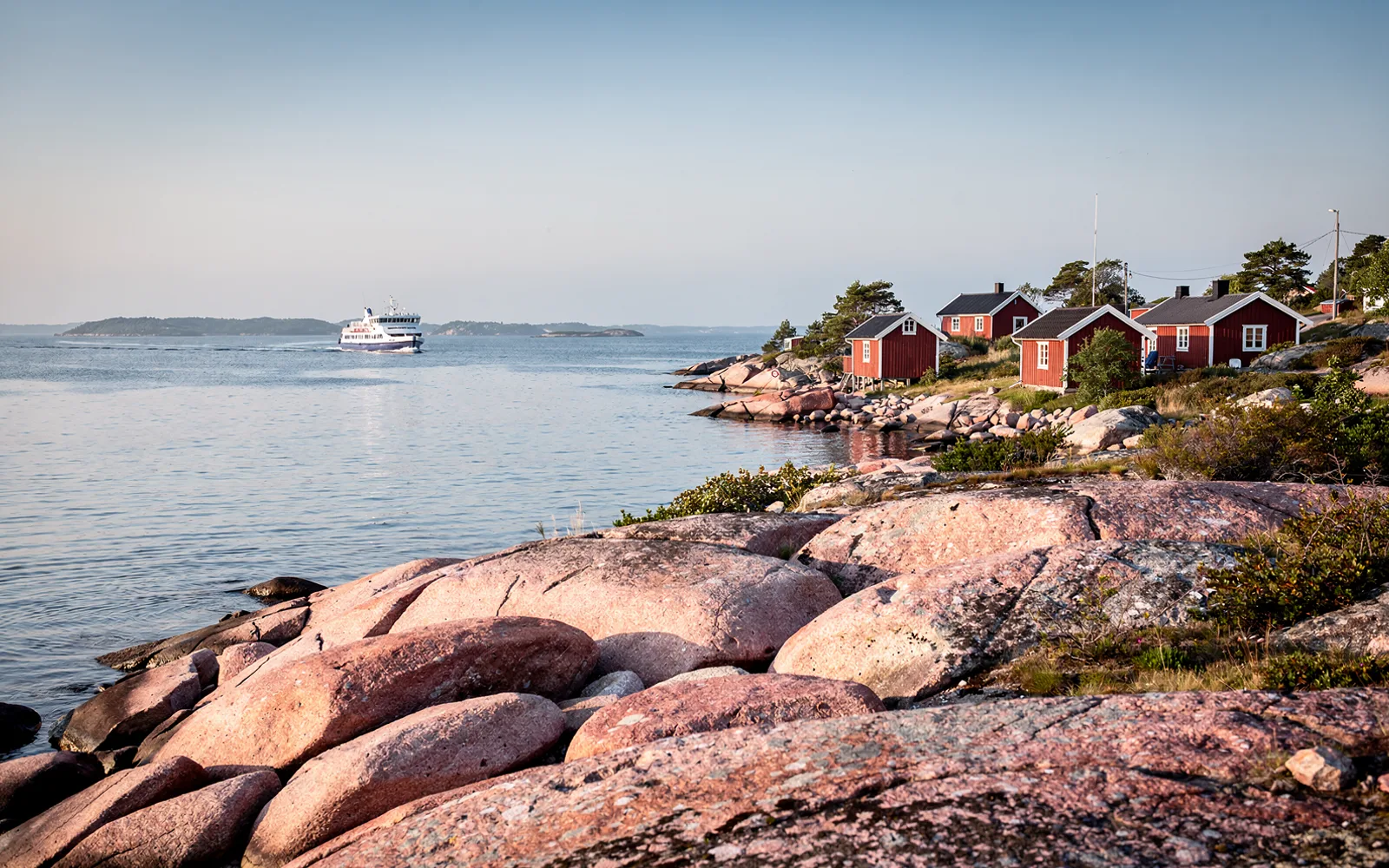
Illustrative image.
Quiet harbours and granite shores
A short journey from the city brings travelers to an entirely different pace of life on the Swedish west coast. The southern Gothenburg archipelago is celebrated for its peaceful rhythm, preserved in part because private cars are completely absent from its shores and residential roads. Travelers arrive by regular public ferries that depart throughout the day from the coastal terminal at Saltholmen, gliding past weathered islets, rocky skerries, and low navigation beacons before stepping ashore onto welcoming wooden docks.
Without standard road traffic, the natural ambient sounds of the Kattegat coast quickly take center stage. Visitors are greeted by the gentle murmur of clear seawater against stone piers, the calls of passing seabirds, and the occasional soft hum of small electric cargo carts carrying supplies. Smooth granite rocks, sculpted over centuries by glacial ice and moving tides, frame dozens of sheltered swimming spots and sunbathing coves. Picturesque small harbours hold modest fleets of wooden fishing boats and sailing craft, anchoring self-sustaining communities that have thrived beside the water for generations.
Islands with distinct character
Each island within the southern cluster carries its own distinct charm, landscape, and island traditions. Styrsö acts as a central hub for the area, offering leafy walking avenues, historic parish houses, and elevated viewpoint hills that present sweeping panoramic vistas of the surrounding sea channels. Narrow lanes lined with established gardens, traditional wooden verandas, and apple trees make it a delightful destination for travelers who appreciate quiet exploration on foot or by bicycle.
Neighboring Vrångö lies further south, renowned for its expansive nature reserves and wide sandy stretches that contrast pleasantly with the more common rocky headlands. A well-maintained network of accessible footpaths guides walkers across open coastal meadows where wild birds nest among coastal grasses and sea heather. Brännö, celebrated for its vibrant cultural heritage and traditional summer pier gatherings, features rolling farmland alongside sheltered maritime inlets. Meanwhile, smaller Asperö maintains an exceptionally tranquil village atmosphere, where historic red boathouses cluster closely together along the protected shoreline.
Summer dips and autumn trails
While summer naturally draws local residents and travelers to the water for long afternoons on sun-warmed rocks, the islands remain thoroughly engaging across multiple seasons. Summer brings swimming in clean, refreshing waters, spontaneous picnics on coastal ledges, and leisurely cycling along smooth, car-free pathways. Swimmers frequently seek out secluded natural inlets where the granite slabs slope gently into the water, providing effortless access for invigorating morning dips or late evening swims under pale northern skies.
As the calendar turns toward autumn, the archipelago takes on a more contemplative, crisp atmosphere that is exceptionally well-suited for purposeful walking. Fresh coastal breezes clear the air, while the low-angled autumn sunlight casts long, golden shadows across the coastal heather, mosses, and bare stone. Walking trails remain uncrowded, allowing hikers to explore the winding coastal routes and nature preserves in deep serenity. Local community bakeries and small harbourside cafes often provide cozy resting spots to enjoy hot tea or coffee after hours spent outside along the windward bluffs.
Venturing toward the northern coast
Beyond the serene car-free haven of the southern islands lies the northern archipelago, which provides a complementary coastal experience with its own unique seafaring character. The northern islands are easily accessible via scenic ferry links and feature dramatic shorelines characterized by broad ocean horizons and deep maritime heritage. Here, visitors can discover vibrant fishing ports, boat sheds, and larger coastal settlements that maintain a strong everyday connection to traditional boatbuilding, fishing, and regional seafood traditions.
A prominent highlight of the northern waters is the historic island of Marstrand, famed for its commanding stone fortress that stands watch over the surrounding navigation passages. Carlsten Fortress rises dramatically against the western sky, offering visitors a tangible connection to coastal history, stone masonry, and panoramic maritime views from centuries past. From its high stone ramparts, one can look out across the lively meeting point of archipelago sounds and the open sea. Together, both the northern and southern islands showcase how Sweden's coastal communities balance preservation, active outdoor recreation, and easy access to pristine nature.
Something not right? Write to desk@veltrixnews.com. Corrections are added openly at the end of the story. Read our editorial standards.