Pant: how Sweden gets its cans and bottles back
Every trip to the supermarket in Sweden includes a familiar ritual of feeding empty cans into reverse vending machines to keep materials in circulation.
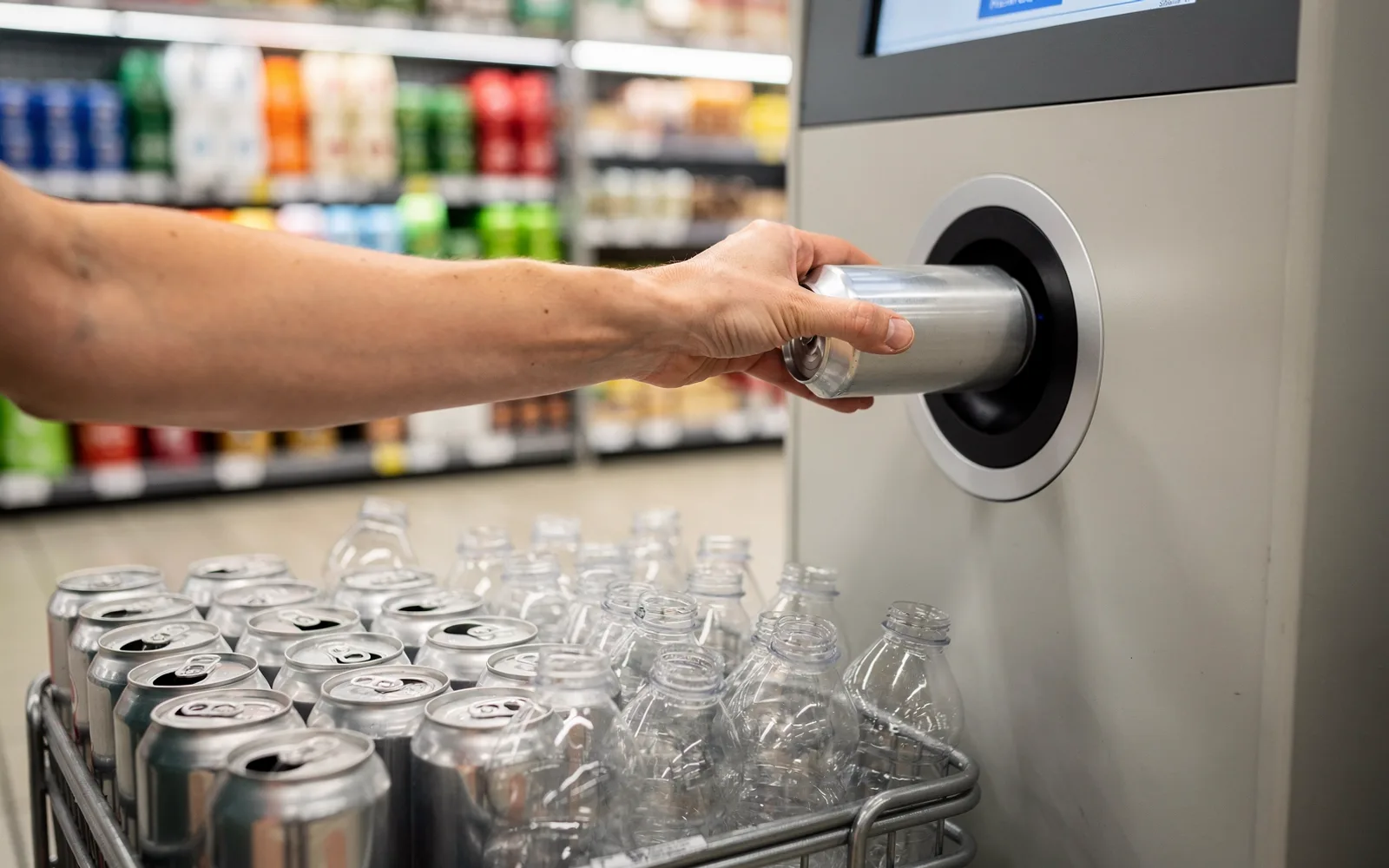
Illustrative image.
A familiar rhythm at the local store
Stepping into almost any Swedish grocery store, visitors are likely to hear a gentle, rhythmic hum near the entrance. This steady sound comes from the reverse vending machines, where shoppers line up with bags of empty beverage containers. Each can and plastic bottle is fed into an opening where optical sensors read the barcode, check the shape, and sort it into internal bins.
The activity is known across the country simply as pant, a system that has woven recycling directly into weekly food shopping. Swedish consumers treat used packaging as material temporarily on loan rather than ordinary waste. The return takes only a couple of minutes, turning what could be a chore into an automatic habit that spans generations.
Behind the front panel, mechanical rollers compress the containers to optimize storage space and reduce the frequency of transport runs. Shoppers receive a printed voucher confirming their deposit, which can be redeemed at the register or donated to charity. This neat setup blends digital automation with everyday logistics, creating an effortless link between consumers and collection points.
Decades of nationwide development
Sweden's deposit-return infrastructure has deep roots, making it one of the earliest modern packaging recovery networks in the world. The national program for aluminum cans began in 1984, establishing a standardized method that quickly earned public trust. A decade later, in 1994, the framework expanded to include PET plastic bottles, adapting smoothly to shifts in consumer beverages.
The network is managed by Returpack under the consumer-facing brand Pantamera. The name translates roughly to pant more, serving as an encouraging invitation rather than a rigid requirement. Through clear communication and memorable public outreach, Returpack has kept engagement high across several decades of technological growth.
A key strength of the system is absolute uniformity across the entire country. Supermarkets, small village shops, and service stations all participate under identical technical standards, meaning consumers find the exact same process wherever they go. This consistency removes confusion and makes returning containers entirely second nature.
Remarkable return rates built on participation
Sweden regularly achieves some of the highest collection rates in the world, with overall return numbers often exceeding 85 percent of all eligible containers. Millions of cans and bottles flow through the network every week, reflecting deep public cooperation. This reliable result stems from making recycling as frictionless as possible.
Convenience is the primary driver of this success. Because reverse vending machines sit directly inside supermarkets, people return empty containers during trips they are already making. Children frequently help insert the bottles, discovering the tangible value of circular materials from a young age.
Outside the home, thoughtful urban design helps keep containers in circulation. Many municipal trash bins feature specialized side holders where passersby can place empty cans, allowing others to collect them for return. This community practice keeps parks tidy while ensuring that recyclable materials stay out of standard waste bins.
Closing the loop from can to can
The full value of the Pantamera system emerges after collected containers leave retail stockrooms for processing plants. Returned aluminum cans are sorted, pressed into dense bales, and transported to smelting facilities where they are melted down into fresh metal. Because aluminum can be melted repeatedly without losing quality, returned cans are routinely manufactured into brand new cans within a matter of weeks.
This closed-loop process dramatically reduces the need for virgin raw materials, saving significant energy compared to manufacturing metal from scratch. High-grade PET plastic bottles undergo a parallel transformation, getting cleaned, flaked, and remade into new beverage bottles. Because containers enter the recycling stream separately from household rubbish, the collected plastics and metals remain remarkably pure.
By combining reliable reverse vending hardware with intuitive consumer habits, Sweden highlights how sensible systems can drive long-term environmental success. What started as an innovative 1984 initiative has grown into a cherished national routine. Every returned container proves that thoughtful technology and ordinary daily actions can create an enduring circular economy.
Something not right? Write to desk@veltrixnews.com. Corrections are added openly at the end of the story. Read our editorial standards.