Långban in Värmland joins a list of the world's 100 key geological sites
The historic Långban mines in Värmland have earned global recognition on the prestigious list of the world's top one hundred geological heritage sites.
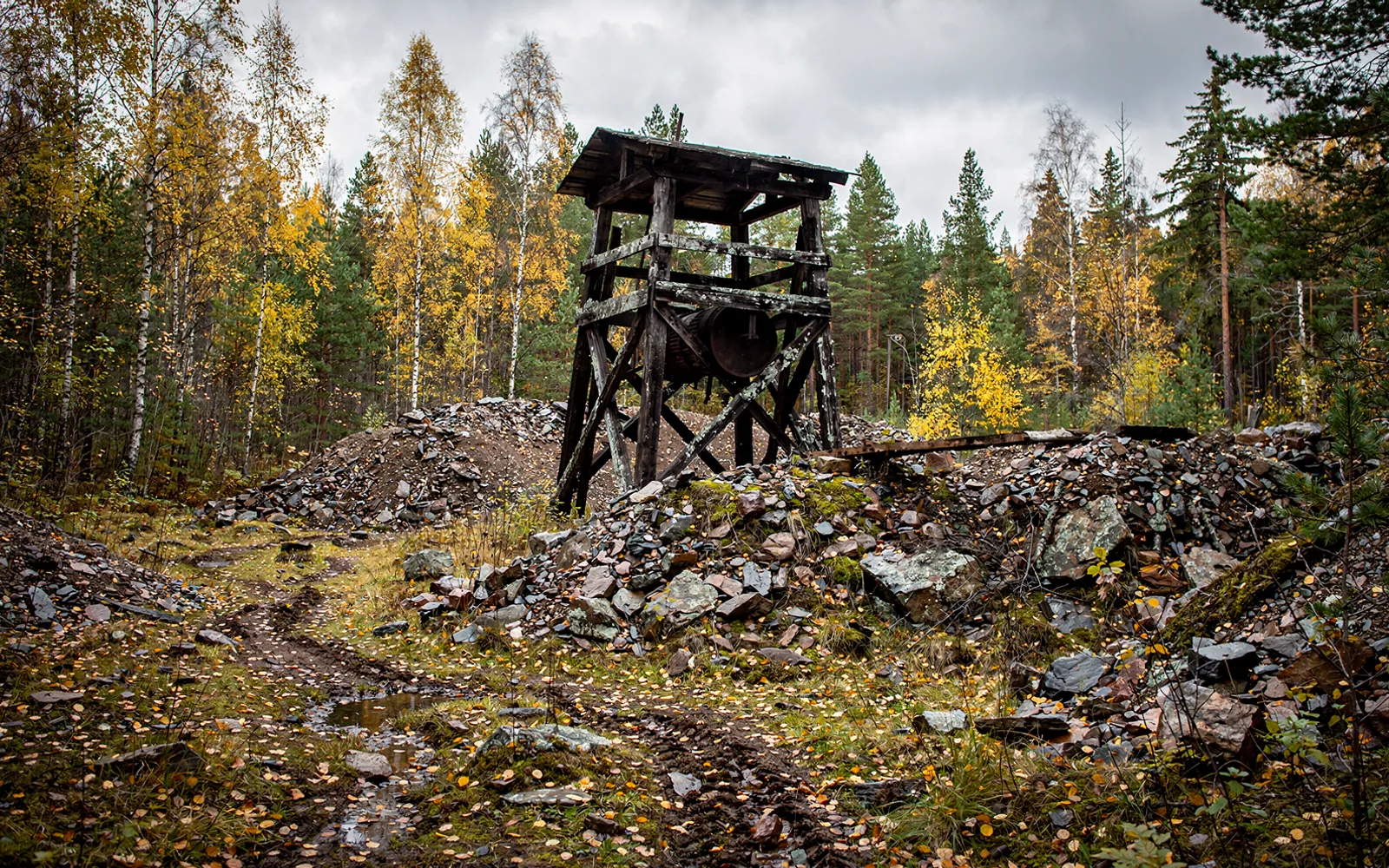
Illustrative image, not taken at the event.
On November 6, 2026, the International Union of Geological Sciences published its third list of the one hundred most important geological heritage sites, officially adding the Långban mines in Värmland to this global register. Sweden is now represented on the roster, honoring a location that has long fascinated earth scientists. The site was nominated by Erik Jonsson, state geologist at the Geological Survey of Sweden.
Långban stands out internationally as one of the most mineral-rich places on Earth. For researchers, the site is an extraordinary natural archive. It serves as the official type locality for around 80 minerals, meaning it is the reference point where those minerals were first identified and defined. Remarkably, several of these mineral species have been found nowhere else on the planet.
Centuries of industrial heritage
Human interaction with Långban extends back deep into Swedish history. Mining first began on a small scale during the Middle Ages, as early workers tapped into the mineral formations hidden beneath the bedrock. Activity expanded substantially starting in 1711, transforming the quiet area into an active center of extraction.
During its first centuries of development, the operation focused primarily on extracting iron ore. That focus shifted and expanded from the late 1800s, when manganese ore became an additional target of mining. The combination of these diverse ores and distinct host rocks created an unusual subterranean environment, allowing complex chemical reactions to form a dense variety of minerals over geological time.
A landmark for earth science
The designation by the International Union of Geological Sciences highlights places of exceptional scientific value that illustrate key aspects of the geological history of the planet. By entering the list of the top one hundred geological sites, Långban joins recognized natural formations around the world that have fundamentally shaped modern understanding of earth science.
For Värmland and Sweden, the recognition brings quiet celebration to a landscape shaped by both natural wonders and human perseverance. While active mining has concluded, Långban remains an invaluable resource for international researchers who continue to study its rare mineral structures and unravel the ancient natural processes that created them.
This report is based on information published by Geological Survey of Sweden (SGU). Details such as dates and times can change, so check the original before you go.
Read the original